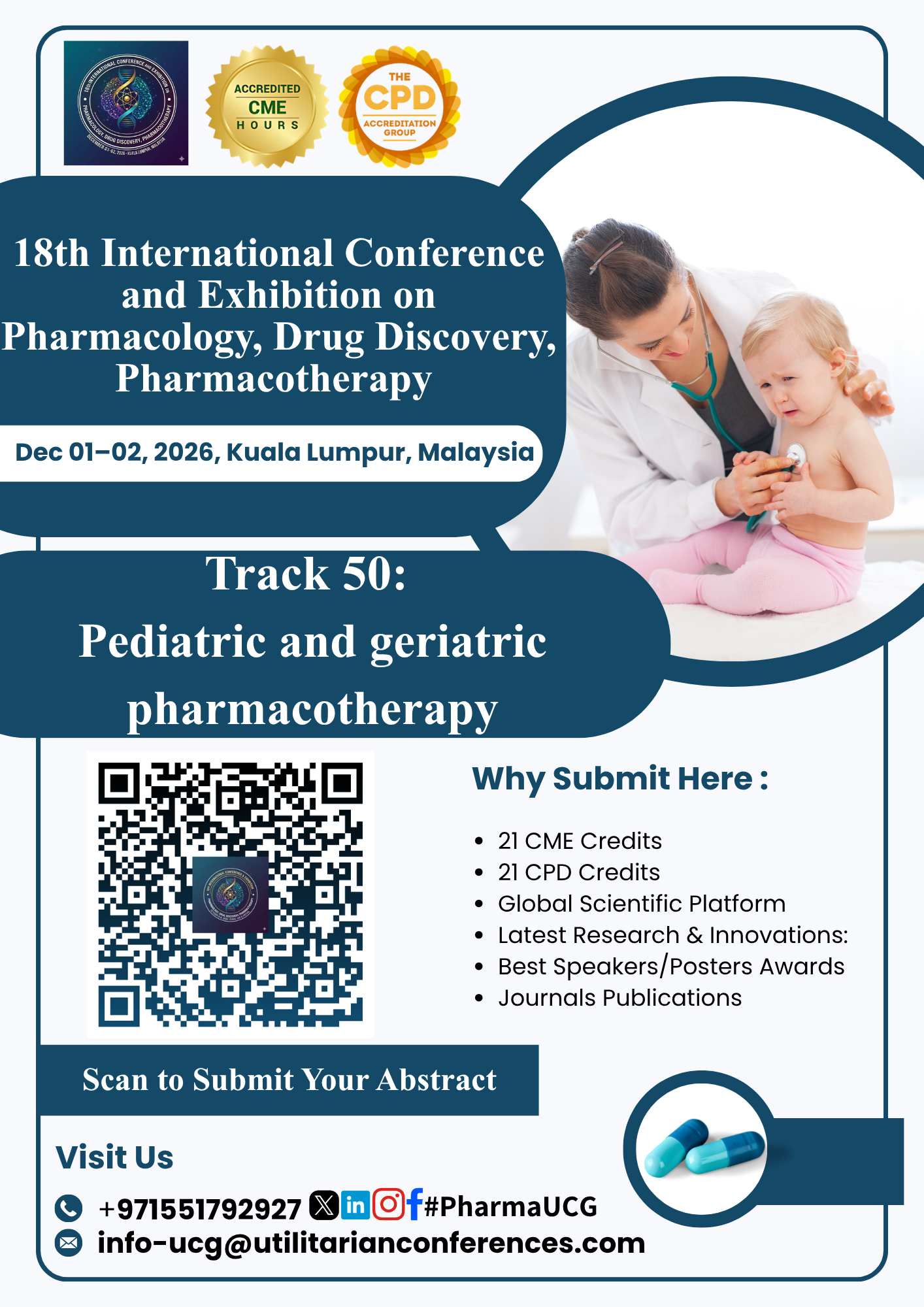
Pediatric and Geriatric Pharmacotherapy focuses on the safe, effective, and age-appropriate use of medications in children and older adults—two populations with distinct physiological characteristics that significantly influence drug response.
In pediatric pharmacotherapy, drug therapy is tailored to account for ongoing growth and development, immature organ function, and age-dependent differences in drug absorption, distribution, metabolism, and excretion. Accurate dosing, often based on body weight or surface area, is critical to ensure efficacy while minimizing toxicity. Special consideration is also given to formulation, palatability, and long-term safety.
Geriatric pharmacotherapy addresses the complexities of medication use in older adults, who often experience altered pharmacokinetics and pharmacodynamics due to age-related physiological changes, comorbidities, and polypharmacy. Careful drug selection, dose adjustment, and monitoring are essential to reduce adverse drug reactions, drug–drug interactions, and medication non-adherence.
Overall, pediatric and geriatric pharmacotherapy emphasizes individualized treatment approaches, vigilant monitoring, and evidence-based decision-making to optimize therapeutic outcomes and enhance medication safety across the lifespan.